
Civil War

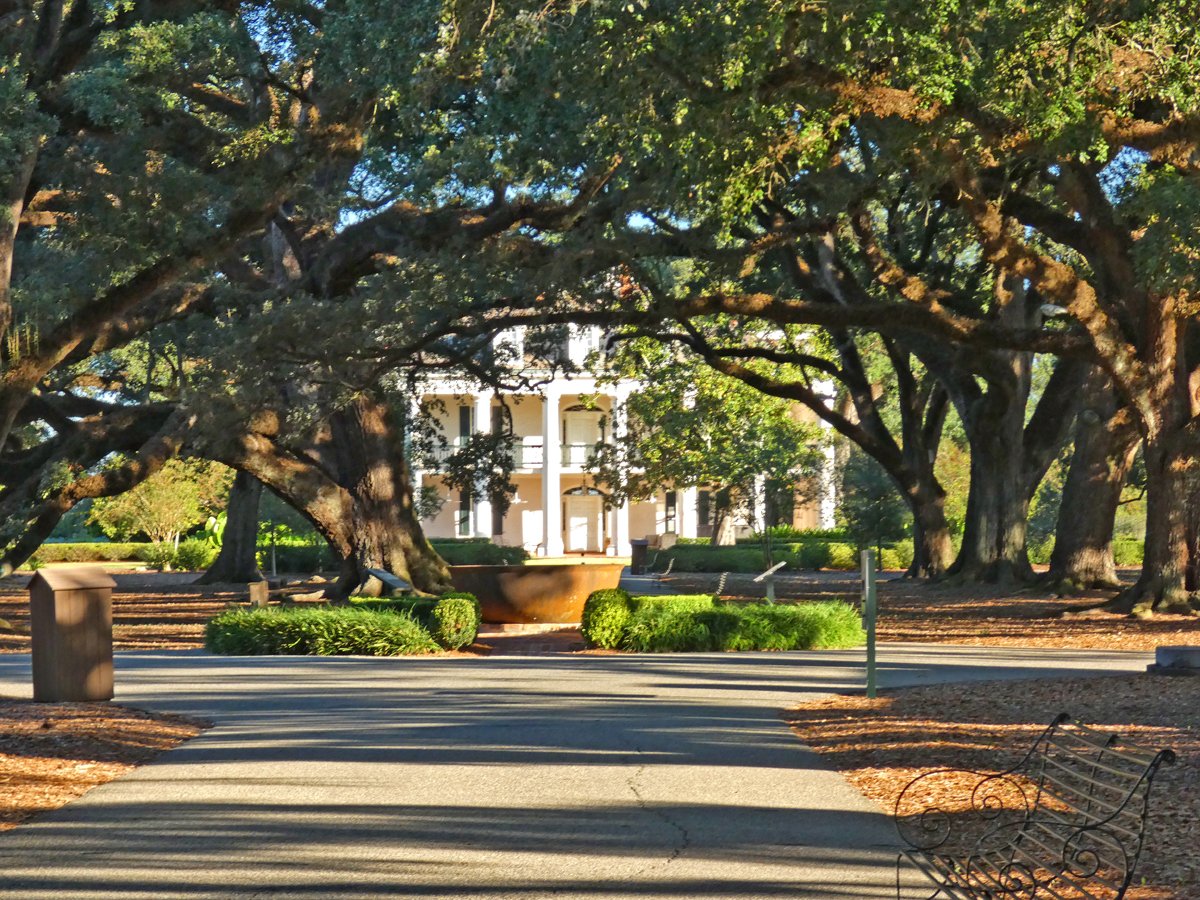
Named for the 150 to 200-year-old Virginia live oak trees lining the path from the Mississippi River to the entrance of the plantation home, Oak Alley is a national landmark. Here you’ll hear the stories of some of the enslaved people who lived here, as well as the many owners over the years.

In this powerful episode of World Footprints, Tonya and Ian Fitzpatrick take listeners on a deeply personal and historic journey to Pulaski, Tennessee—a town known as the birthplace of the Ku Klux Klan but now undergoing a transformation. Their guest, Miss Vivian Leigh Battle Sims (96), an educator, artist, and community leader, has dedicated her life to uplifting the stories of marginalized voices, including the unsung Black Union soldiers who fought bravely during the Civil War.

Vivian Lee Battle Sims may not be a widely known name, but her impact on Pulaski, Tennessee, is profound. At 96, this retired educator and community activist has redefined the legacy of a town once infamous as the birthplace of the Ku Klux Klan. Through her vision and personal funds, Sims commissioned the Resurrection of Valor, a statue honoring the United States Colored Troops (USCT) who fought for the Union during the Civil War.

With the arguments in schools about Critical Racial Theory and not teaching many facts about history because they might embarrass some people, some books are being banned. Mark Twain’s books have long been on the firing line for opposite reasons, i.e. his use of prejudicial language. Because Huck Finn helped a runaway slave, Jim, and had a strong bond of friendship with someone of another race, they could be re-banned by those supporting Critical Race Theory.

Though the Civil War is a dark portion of America’s past, it is our collective history, nonetheless.
Located within the Shiloh National Military Park, the Corinth Civil War Interpretive Center tells the story of the railroads that crossed in Corinth and led to two Civil War battles for control that were some of the bloodiest ever fought.