
Nature

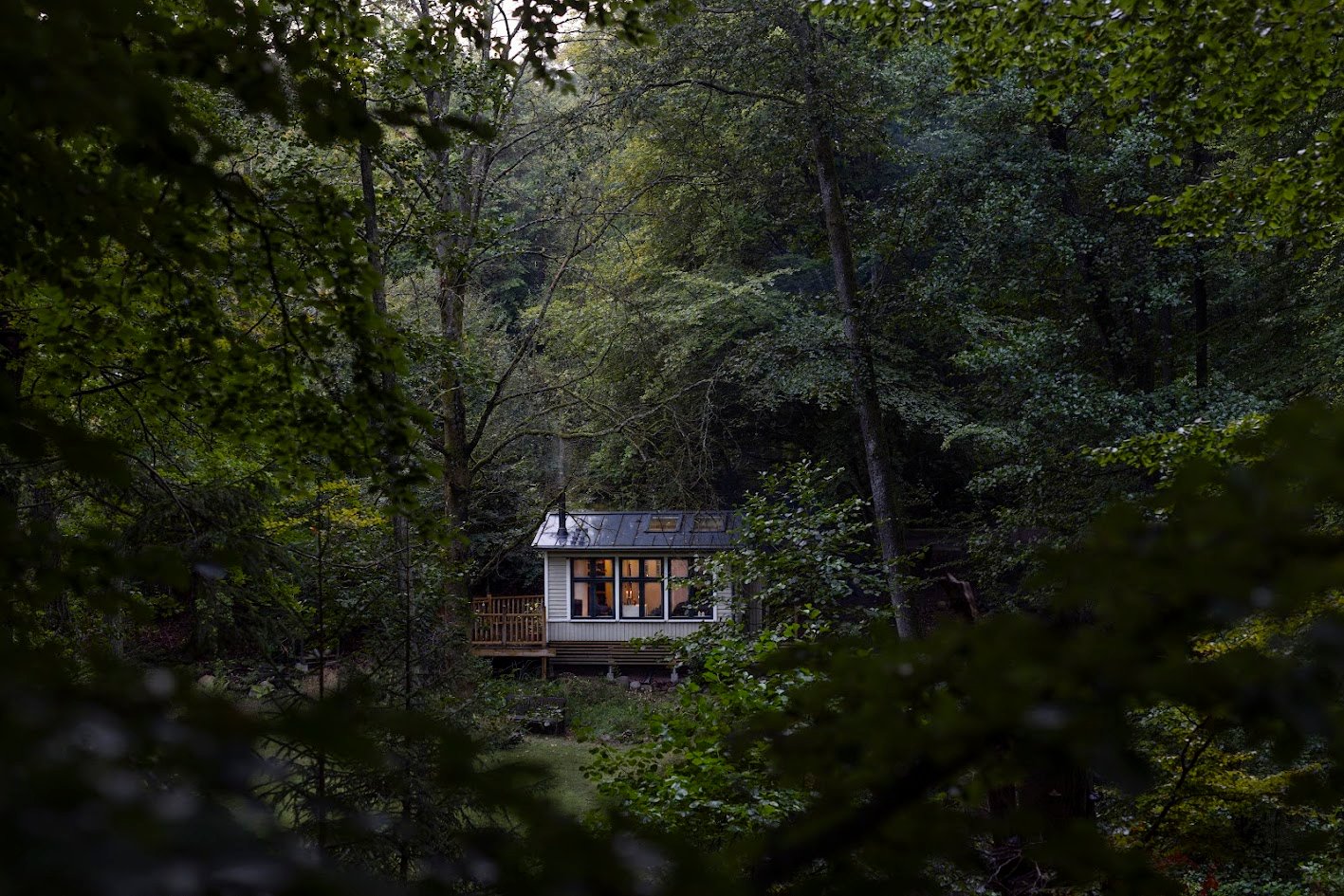
You get an invitation to stay free in a secluded forest cabin. Ecstatic, you pack, follow the instructions, and arrive at the cabin. From the outside, it looks like any other cabin that promises a homey stay. But as you enter, you become conscious of your every move. You tiptoe carefully, doing your best to keep the floor from creaking. Every word comes out of your mouth hushed down to a whisper. In the kitchen, your coffee mug slips from your cold hand, heading straight for the floor. But you are quick enough to snatch it just in time — tragedy averted. The setting is almost like the Hollywood hit A Quiet Place, except you are not dodging a human-snatching monster. What you are dealing with is a decibel meter tucked into a secret corner of the cabin, listening to every sound you make. Just when you think you have [...]

“There is never a traditional way of foraging. You develop your own approach over time.” Jyrki Tsutsunen explained when asked about Finnish foraging traditions. His approach combines careful identification with creative experimentation, without ever compromising the balance of nature.

It was about 10:30 pm, the darkness so inky you couldn't see your hand in front of your face. The leafy boughs of late-spring trees blocked even the starlight. My friend whispered, "Do you want to see the blue ghosts? They live near the cemetery up the trail."

What is the first thing coming to your mind when you hear the name Christmas Island? The island may sound festive by name, but it is a tropical paradise, fringed by palm trees and edged by sandy beaches that indent the rugged coastline. Captain William Mynors of the British East India Company discovered Christmas Island on December 25, 1643. The date probably gives away why the island is called Christmas.

Across the U.S., travelers are changing course from big-city escapes to nature-focused adventures. With a renewed appreciation for the outdoors, many Americans are journeying to majestic mountains, serene lakes, and quiet coastlines in search of peace, fresh air, and a deeper connection with the environment. And for a growing number of these adventurers, one important companion is always in tow—their beloved pets.

When considering an Antarctic expedition cruise, images of penguins, seals, and whales come to mind. But for me, the real star was frozen saltwater, known as sea ice, and its unexpected yet critical environmental role. Who would have thought that ice could hold such fascination?

We were rafting down the Nantahala River in North Carolina, soon to brave my first Class III rapid. As I chatted with our guide about the flora visible on the riverbanks, she said, “You know there’s a stand of virgin forest less than an hour from here.” My companions and I would be homeward-bound the next day, but I felt deeply compelled to see that forest. I’ve long held a love for ancient trees.
Utah beckons nature lovers from around the globe with its five national parks: Arches, Bryce Canyon, Canyonlands, Capital Reef, and Zion. From towering hoodoos to deep canyons and otherworldly landscapes, each park offers something unique. While Utah's capital, Salt Lake City is often considered an ideal basecamp for exploring the state's abundance of natural wonders, the city itself enjoys its own treasures of nature. Ideally situated between the spectacular Wasatch Mountains to the east and the glistening waters of the Great Salt Lake to the west, nature surrounds the city. With plentiful parks, hiking and biking trails, and the Great Salt Lake folded into the city, outdoor pursuits abound.
Known as a concrete jungle, most visitors to New York City don’t arrive expecting to see an abundance of green space. Well, we have a surprise for you. New York City boasts over 20,000 acres of green space including parks, urban forests, playgrounds, and gardens. These green spaces provide millions of people with meaningful connections to nature.

At the end of my backpacking trip through Japan, I had three days to spare with no idea what to do. I had already explored the very south (Hiroshima) as well as all major landmarks around the central part of this beautiful Asian country (Mount Fuji, Kyoto, Osaka, Tokyo).
Tucked in the rugged North Cascade Mountains near the Canadian border, is a town unreachable except by ferry, foot or flight. Remote as Stehekin is, the Washington town is a hub for nature lovers looking to hike, kayak, ride horses or fish in a national park whose glacier-tipped peaks are difficult to access.