
Sustainability

Six and a half million acres. That’s the size of Indonesia’s Leuser Ecosystem, one of the most ancient and biodiverse places ever documented and the last place on Earth where Sumatran rhinos, tigers, elephants, orangutans, and sun bears roam freely together.

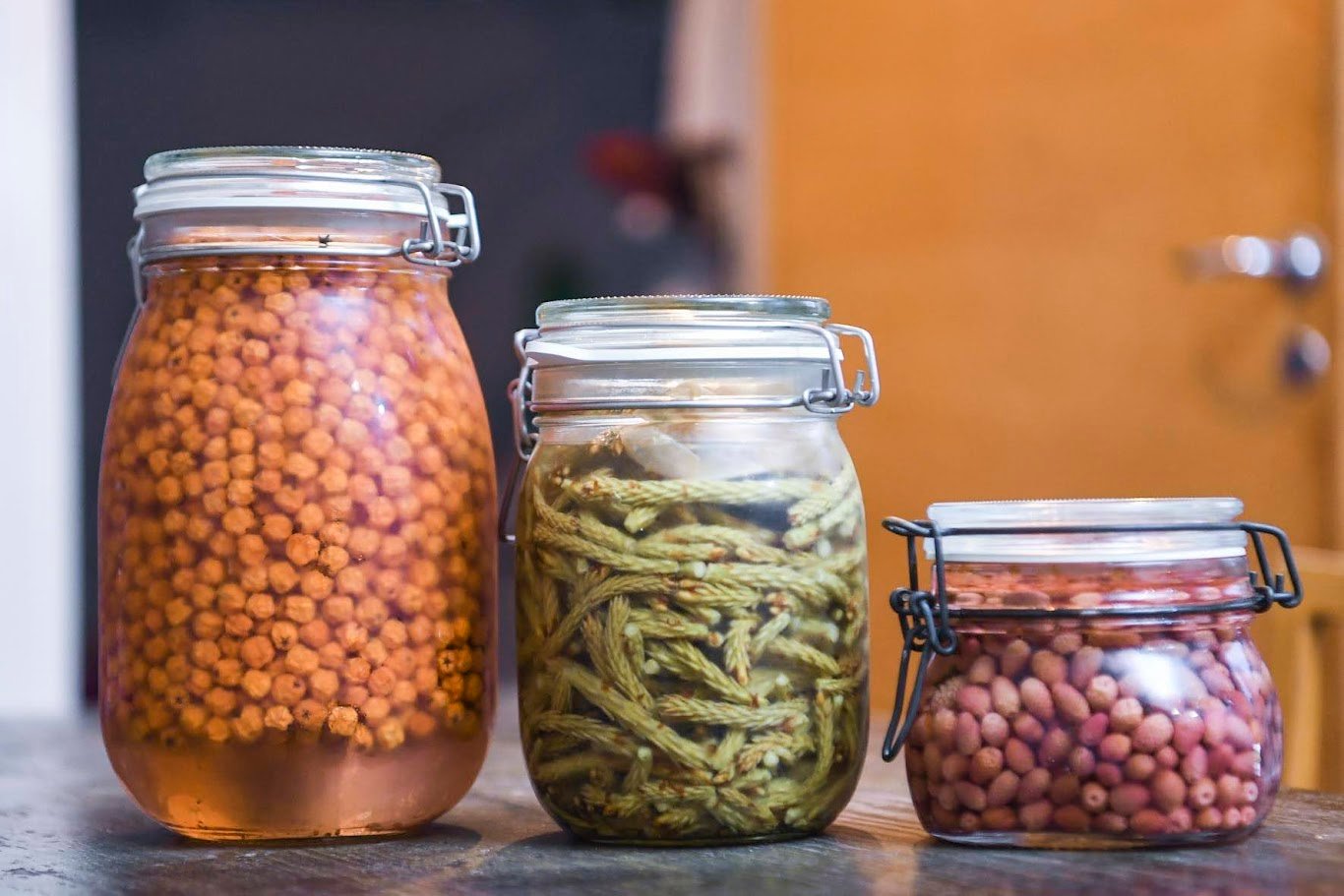
“There is never a traditional way of foraging. You develop your own approach over time.” Jyrki Tsutsunen explained when asked about Finnish foraging traditions. His approach combines careful identification with creative experimentation, without ever compromising the balance of nature.

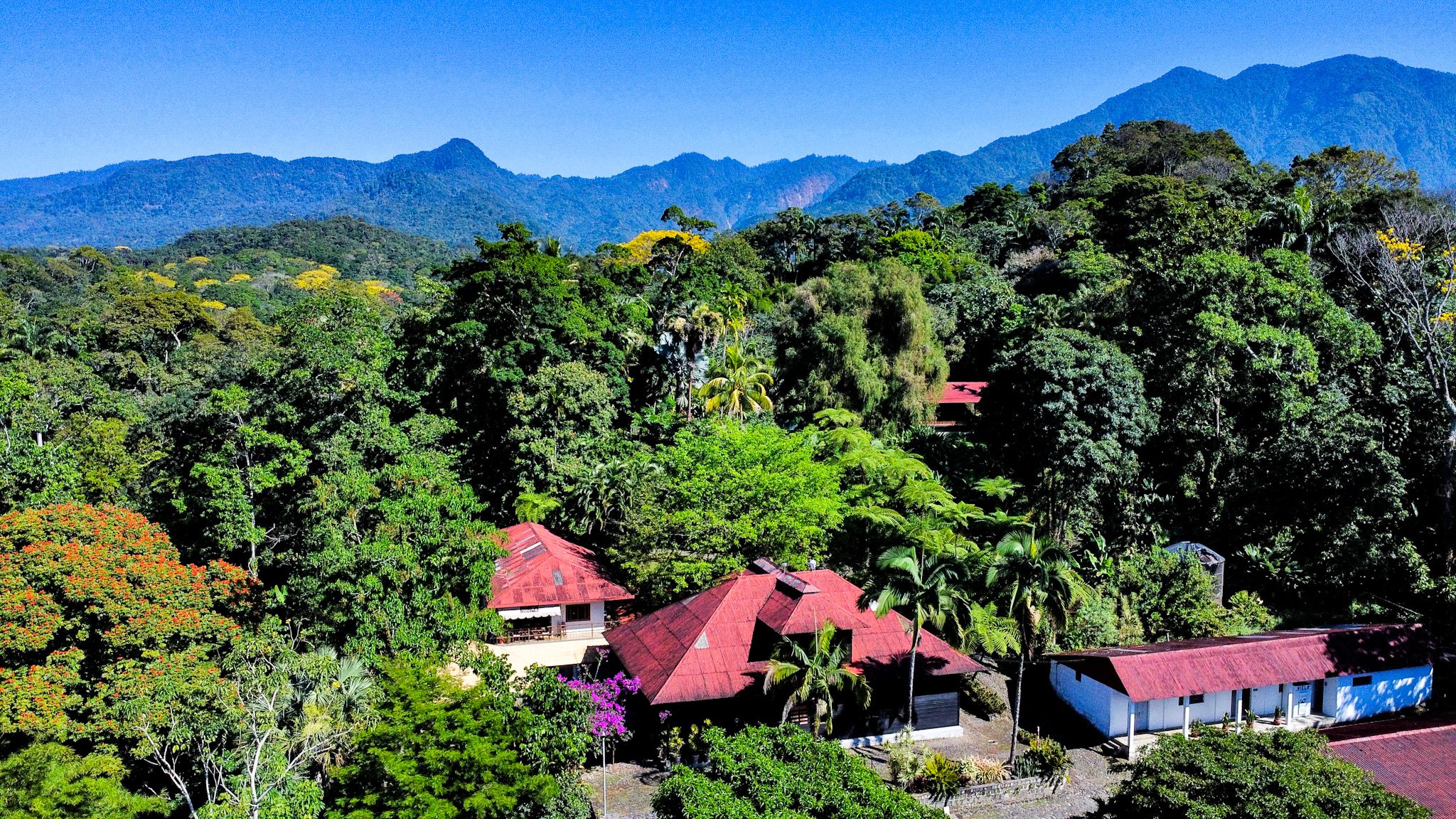
Mexico’s southernmost state of Chiapas boasts steamy tropical rainforest jungles, fertile and pine-forested mountains, and standout colonial cities and towns. Known for its cobblestone streets, baroque buildings, and elegant plazas, San Cristóbal de las Casas is on many a traveler’s radar. The ruins of Palenque and Yaxchilán are two of the most spectacular archeological sites in the Mayan world. The surrounding jungle remains unscathed, home to cacophonous howler monkeys, brightly colored toucans, and various cats, including jaguars and ocelots.

If you were to hear that by 2050 there will be more plastic in our oceans (by weight) than there will be fish, would you be alarmed? I definitely was alarmed when I read white paper about the plastic economy projected by the Ellen MacArthur Foundation.

When you’ve spent your life telling other people’s stories, sitting down to write your own—especially one with global implications—feels daunting, exhilarating, and deeply personal. In a short behind-the-scenes video, my husband and World Footprints co-founder, Ian Fitzpatrick, interviewed me about the beginning of my writing journey for my first business book. This is more than just a publishing project. It’s a calling. A shift. A response to the urgent challenges facing the places we love to visit—and the people who call them home.

Climate change is impacting the world in significant ways. We know this. But it’s impacting the beautiful islands of Indonesia, in particular...

In Orlando’s Mills 50 neighborhood, Filipino restaurant Kaya — which means “capable” — rarely uses an ingredient just once. The bar repurposes the fatty excess of pork belly to fat wash bourbon for cocktails, while the kitchen utilizes vegetable trimmings for vinegars. It’s this resourcefulness that earned Kaya one of Florida’s first-ever Michelin Green Stars this spring, alongside Miami's Los Félix and Krüs Kitchen.

Known as a concrete jungle, most visitors to New York City don’t arrive expecting to see an abundance of green space. Well, we have a surprise for you. New York City boasts over 20,000 acres of green space including parks, urban forests, playgrounds, and gardens. These green spaces provide millions of people with meaningful connections to nature.

With oceanfront suites, a hammam-anchored spa, and an intimate rum room, Anguilla's Zemi Beach House has five stars — and nearly 3,000 solar panels. Installed this past winter, a solar farm runs adjacent to the Caribbean resort and powers the property from dawn until dusk. The resort ranks as Anguilla’s first five-star hotel that’s completely solar during the day, indicating a bright future for green travel.

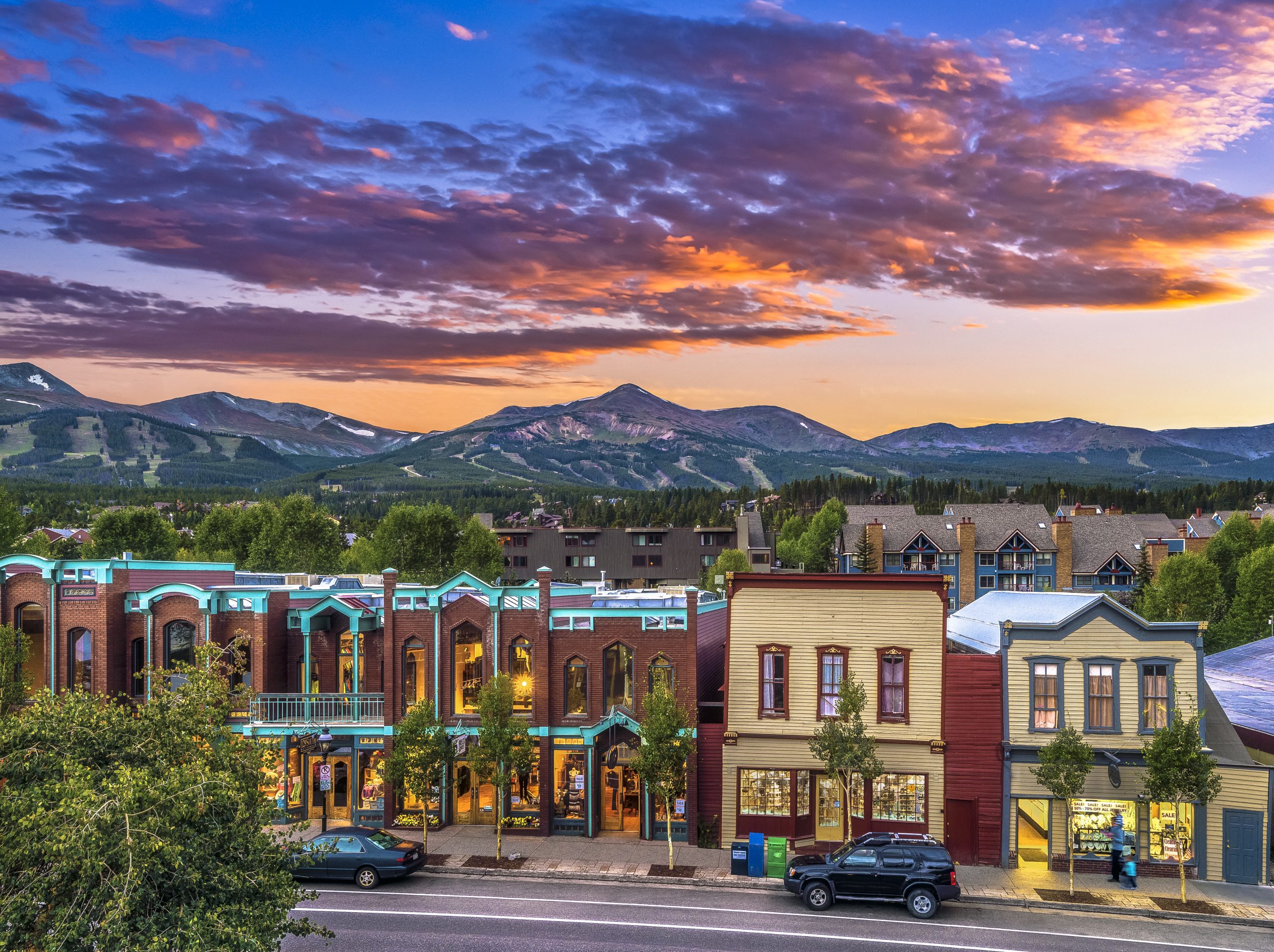
Crisp, fresh air that purifies the senses. Golden aspens shimmering in the sunlight. Clean, white snow blanketing the ground. This incredibly romantic scene is exactly what comes to mind when you imagine a pristine mountain town, and the people who live there are working hard to keep it that way.

More and more of us are becoming aware of the impact our carbon footprint has on the globe and are already taking steps to limit this.

Since 2013, tourism has expanded and evolved in the region, welcoming a more sustainable narrative — one far more inclusive of a positive social and environmental impact than at any time in Kenya’s tourism history.