
sustainable travel

A growing trend among travelers is Last Chance Tourism (LCT)—a bittersweet form of exploration driven by the urgency to experience the world's most fragile and endangered destinations before they disappear. Whether it’s walking among calving glaciers, snorkeling over bleached coral reefs, or photographing sinking cities, LCT embodies both a celebration of Earth's beauty and a stark reminder of our collective impact on its future.

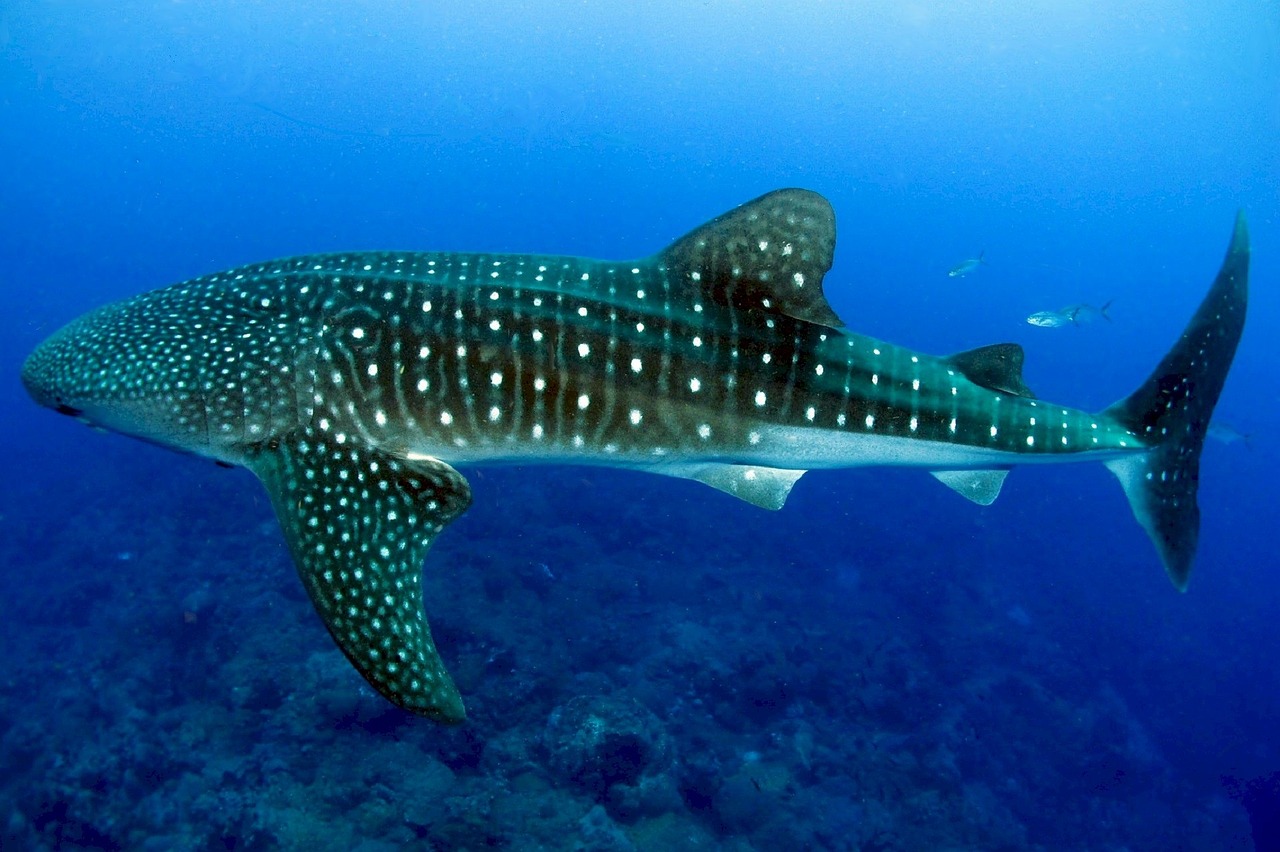
Madagascar’s Nosy Be was recently identified as a hotspot for whale sharks, which could boost the island’s ecotourism to rival the likes of global whale shark hotspots in Tanzania and Mozambique. One woman – the lead author of the study that identified Nosy Be as a feeding hotspot-- has now introduced a code of conduct to protect the sharks, enhance tourists’ experience and ensure any income to the island generated as a result is sustainable.

Saying the mainsail on the 100-year-old schooner Zodiac is big is like saying Babe Ruth knew how to play ball. A massive understatement, at 4,000 square feet, the Zodiac's mainsail is not just the largest working sail on the West Coast — it's larger than the average American house.
Travelers to Southeast Asia are no strangers to Siem Reap. The city's world-class wonder, Angkor Wat, attracts curious tourists from all over the world. This beautiful destination continues to increase in popularity. And with this boom, opportunities to flourish emerge.

Our 4x4 safari vehicle heaves and jolts through the deep recesses of the primeval forest. This is early March, and the dry deciduous jungle is laced with post-winter earthy shades of green. But the towering cotton and palash trees have splashed fiery red hues onto the canvas. The afternoon sun filters through the overhead canopy to illuminate the moss-ridden tract peppered with fragrant flowers and withered leaves.
As the awareness of sustainable travel grows, more travelers are looking to reduce their environmental footprint. Choosing responsible travel methods not only benefits the planet but can also enhance your overall travel experience. Here are some tips to help you travel more responsibly on your next holiday.

With the rise in sustainability awareness and a growing curiosity about food origins, agritourism has emerged as a captivating travel trend. From olive oil harvesting in Italy to rice planting in Japan, these experiences connect travelers with the land and traditions that sustain our diets.

Crisp, fresh air that purifies the senses. Golden aspens shimmering in the sunlight. Clean, white snow blanketing the ground. This incredibly romantic scene is exactly what comes to mind when you imagine a pristine mountain town, and the people who live there are working hard to keep it that way.

A fog-drenched, grey morning greets us as we set out for our early morning short hike to the viewpoint, the highest point of Chatakpur. On a clear day, it offers a panoramic view of the entire village with majestic Kanchenjunga, the third highest Himalayan peak of the world at the backdrop.

Here’s some food for thought. We’re now in an era in which human activity is the dominant influence on our climate and the environment. Scary, I know.
Sumatra is known as one of the only places in the world that you can see the orangutan in the wild. But the island can teach you plenty about conservation, too.

Since 2013, tourism has expanded and evolved in the region, welcoming a more sustainable narrative — one far more inclusive of a positive social and environmental impact than at any time in Kenya’s tourism history.