
wildlife

Six and a half million acres. That’s the size of Indonesia’s Leuser Ecosystem, one of the most ancient and biodiverse places ever documented and the last place on Earth where Sumatran rhinos, tigers, elephants, orangutans, and sun bears roam freely together.

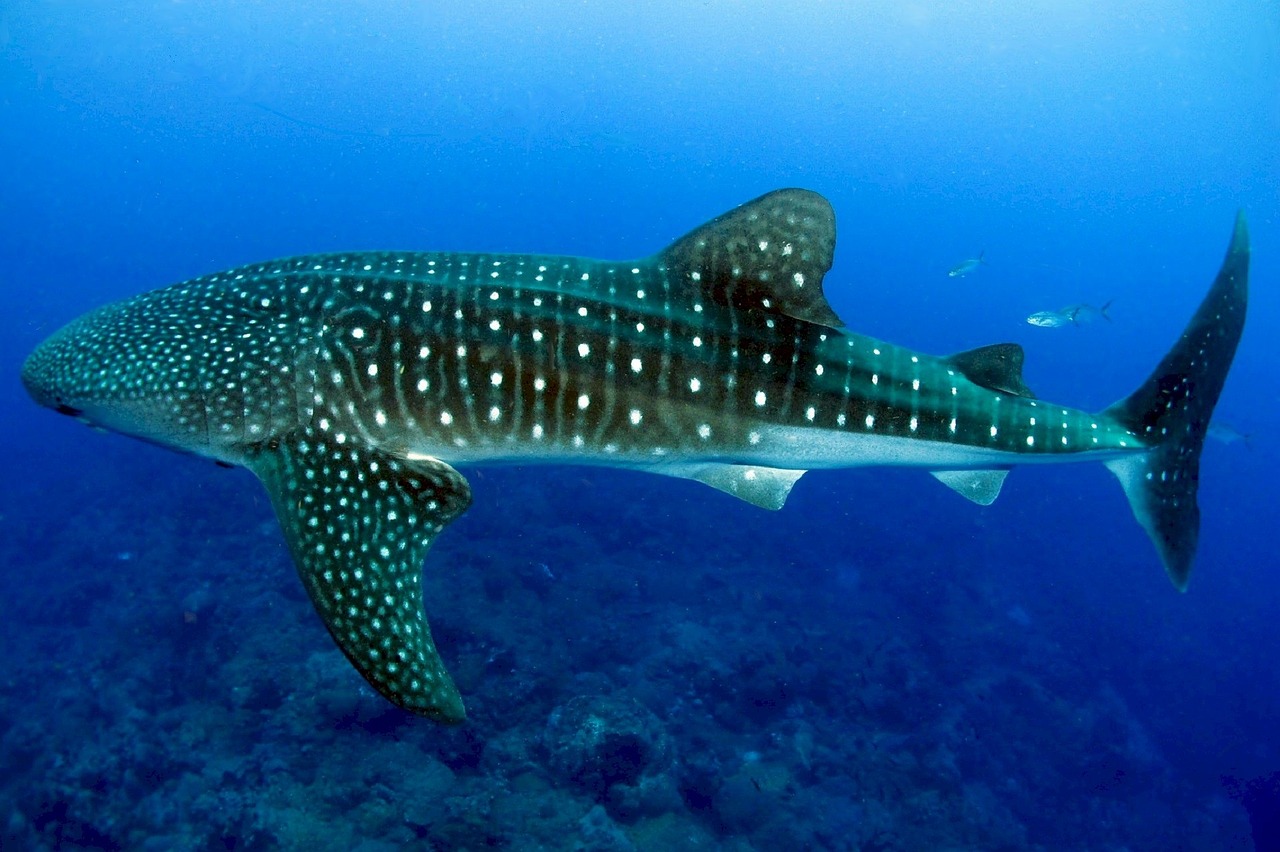
Madagascar’s Nosy Be was recently identified as a hotspot for whale sharks, which could boost the island’s ecotourism to rival the likes of global whale shark hotspots in Tanzania and Mozambique. One woman – the lead author of the study that identified Nosy Be as a feeding hotspot-- has now introduced a code of conduct to protect the sharks, enhance tourists’ experience and ensure any income to the island generated as a result is sustainable.

Our 4x4 safari vehicle heaves and jolts through the deep recesses of the primeval forest. This is early March, and the dry deciduous jungle is laced with post-winter earthy shades of green. But the towering cotton and palash trees have splashed fiery red hues onto the canvas. The afternoon sun filters through the overhead canopy to illuminate the moss-ridden tract peppered with fragrant flowers and withered leaves.

When considering an Antarctic expedition cruise, images of penguins, seals, and whales come to mind. But for me, the real star was frozen saltwater, known as sea ice, and its unexpected yet critical environmental role. Who would have thought that ice could hold such fascination?

Sumatra’s Leuser Ecosystem is a magnificent place. One of the largest intact forests left in Southeast Asia, the Leuser covers 2.6 million hectares and is the only place in the world where four important key species co-exist in the wild—the orangutan, tiger, elephant, and rhino.

When travelers dream of Spain, most think about wandering down cobblestone alleys, listening to the Spanish guitar, and drinking wine under the shadows of a towering medieval cathedral. However, it’s a mistake to think of Europe only in terms of its beautiful cities and centuries of human history. There is still some wild left.

As large as the USA is, however, a lot of the most interesting places in the country often get overlooked.

Kenya is a no-nonsense nation when it comes to conservation in recent times and in particular, with elephant conservation. Impressively, this concentrated effort has been consistent since the late 1980’s when the President at that time, Daniel Arap Moi, proceeded to burn more than twelve tons of ivory to show that Kenya was fully committed to bringing an end to the elephant poaching epidemic.

To outsiders, New Guinea is most often known as the home of bird of paradise species, whose unique feathers and elaborate mating dances feature in many nature documentaries. But the capital city of Port Moresby has an unfortunate reputation for crime and unrest, and strong travel advisories have restricted many areas of the country for years. Yet, the wild and rare beauty of PNG’s ecology tempt some - myself included - to make t

After an 8-year search, Australian rangers finally caught the massive 15.5 foot-long, 1,300 pound saltwater crocodile that was first seen in 2010.

Suspected rhino poachers who trespassed on a South African game reserve were killed by a pride of six lions.

Actress Stefanie Powers, best known for her role as Jennifer Hart in the television series "Hart to Hart", leads a double life, one in front of the camera or on stage and the other as a champion for animal preservation and protection.